
How much does diabetic retinopathy treatment cost?
TL;DR:
- Diabetic retinopathy treatment costs rise with disease severity
- Costs include: consultations, OCT scans, anti-VEGF injections, laser, or vitrectomy
- Early screening is far cheaper than treating advanced disease
- MediSave and insurance can offset costs in Singapore
- Regular eye screening is essential for all diabetics
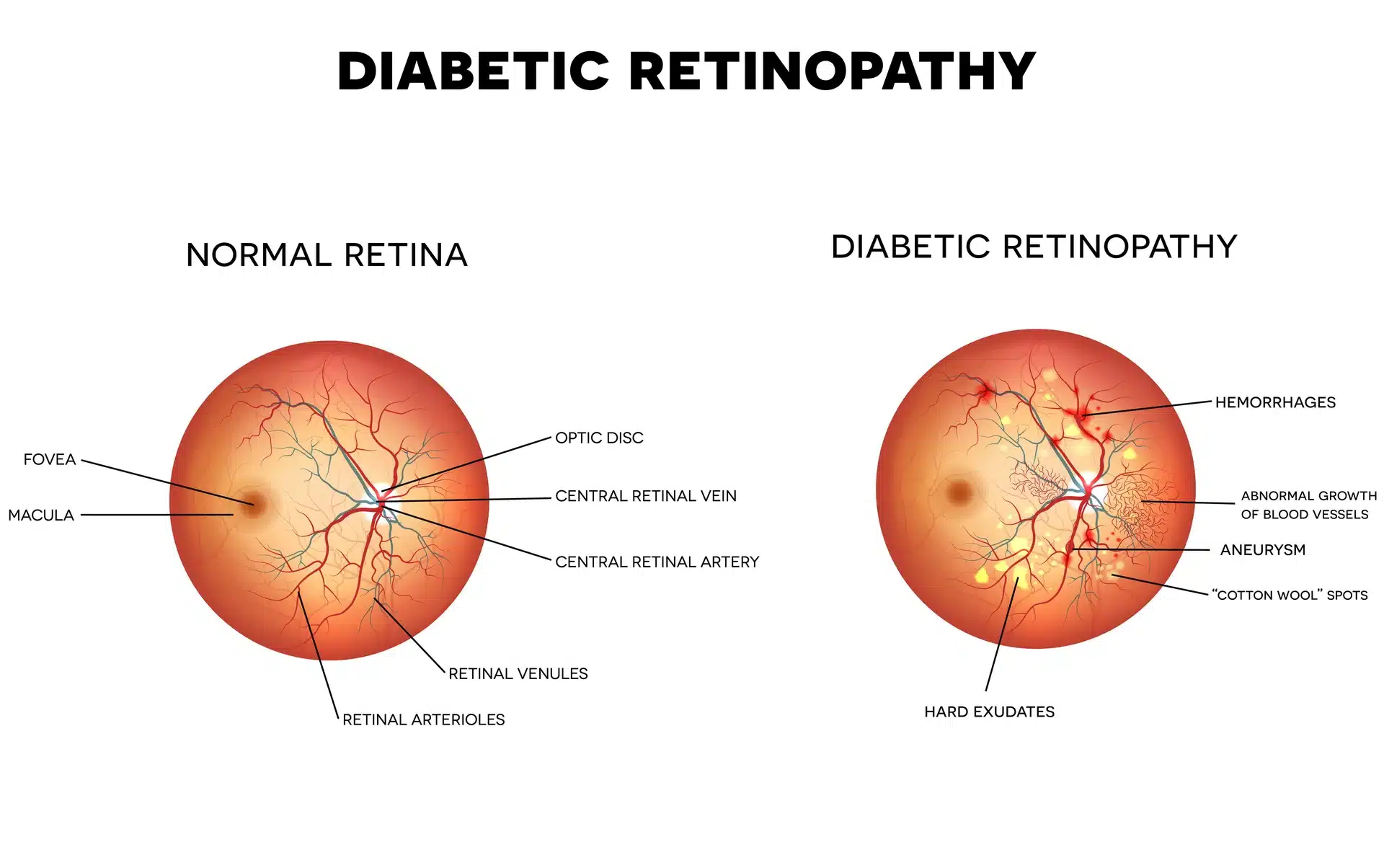
Diabetic retinopathy is one of the leading causes of vision impairment among the local population in Singapore. It occurs when persistently high blood sugar levels cause the tiny blood vessels of the retina to swell or leak, resulting in irreversible vision loss if not treated early.
Diabetic retinopathy treatment costs in Singapore vary based on the severity of the disease, the types of intervention required and the medications used etc.
Why does diabetic retinopathy treatment cost vary?
Those with mild diabetic retinopathy can usually be observed closely without treatment. The key is to make sure the condition does not advance to more moderate and severe forms of the disease, which typically require treatment.
Those with a more severe form of the disease require more frequent follow-ups, more intensive investigations followed by more treatments when their conditions call for more costly surgical or procedural intervention.
Diabetic macular edema is a complication of diabetic retinopathy and a major cause of visual impairment and blindness in those with diabetes types 1 & 2. The treatment options for diabetic macular edema include laser treatment, repeated intravitreal anti-VEGF injections and long-term treatment plans which increase the total treatment cost.
In severe cases of diabetic retinopathy, more invasive treatments such as vitrectomy surgery may be required to manage complications and prevent further vision loss. These surgical procedures are associated with substantially higher treatment costs and post-operative management.
Common cost components in Singapore
Common cost components for the treatment of diabetic retinopathy in Singapore generally include specialist consultation fees, diagnostic imaging and fluorescein angiography when needed, laser treatment, intravitreal anti-VEGF injections and surgical interventions.
Optical coherence tomography (OCT) is commonly used to evaluate retinal damage, monitor diabetic macular edema, and assist ophthalmologists in making treatment decisions.
Fluorescein angiography is often recommended to monitor changes in diabetic retinopathy over time, identify retinal blood vessel leakage and help ophthalmologists target the appropriate treatment area.
The cost of intravitreal anti-VEGF injections depends on the type of medication used. Commonly used drugs include Lucentis, Eylea and Vabysmo. These injections often require repeated sessions and regular retinal monitoring.
Advanced cases with complications such as vitreous hemorrhage or retinal detachment may require more invasive surgery like a vitrectomy surgery, which typically incurs substantially higher costs due to operating theatre fees, surgical equipment, surgeon fee, anaesthesia and post-operative care.
Typical treatment pathways and how they affect cost
Mild diabetic retinopathy is often managed through monitoring and regular screening. Keeping optimal blood glucose, blood pressure and cholesterol level results in relatively lower costs.
When diabetic macular edema develops, it would require more frequent specialist follow-up visits and repeated intravitreal anti-VEGF injections. This can result in higher costs that accumulate progressively over time.
For most people with proliferative diabetic retinopathy, laser treatment remains a mainstay treatment. Advanced conditions may also require vitrectomy surgery to treat complications such as vitreous haemorrhage or retinal detachment, which leads to significantly higher medical costs.
Is a diabetic eye screening cheaper than waiting for vision problems to develop?
The answer is a resounding yes. A diabetic eye screening in Singapore typically includes retinal photography (fundus photo), dilated eye examination, OCT and fluorescein angiography and the fee is usually in the hundreds.
If diabetic retinopathy is detected late and treatments such as laser, intravitreal anti-VEGF injections or vitrectomy surgery are required, the cost will naturally be significantly higher.
Can I use MediSave or insurance?
If you are seeking diabetic retinopathy treatment in Singapore, you can use MediSave or health insurance to offset the fees for many retina-related procedures when applicable. However, the amount covered depends on whether the treatment is done in a public or private setting.
In a public hospital, for example, treatment is often subsidised depending on a person’s eligibility. On the other hand, private practices usually charge higher fees for consultation, diagnosis imaging and surgery. However, those who opt for the private route enjoy greater flexibility by being able to choose their preferred ophthalmologist and generally have shorter waiting time for an appointment.
It is important for people to understand the treatment options and evaluate their financial standing before making decisions.
Also Read:
Understanding the Risk Factors and Treatment Options for Diabetic Retinopathy in Singapore
What should people ask before starting a treatment?
Before proceeding with diabetic retinopathy treatment, it is imperative to seek clarification in regards to their condition, treatment options and expected outcomes etc.
Below are some common questions that are worth asking before starting any treatment:
- What is included in the quoted fee?
- Will I require repeated injections?
- How often will follow-up scans be needed?
- What happened if I also have cataract or floaters?
What should people ask before starting a treatment?
Before proceeding with diabetic retinopathy treatment, it is imperative to seek clarification in regards to their condition, treatment options and expected outcomes etc.
Below are some common questions that are worth asking before starting any treatment:
- What is included in the quoted fee?
- Will I require repeated injections?
- How often will follow-up scans be needed?
- What happened if I also have cataract or floaters?
When should I see a retina specialist?

Diabetics should have regular diabetic eye screening in Singapore with a retina specialist to monitor their condition. For those who experience symptoms such as sudden or progressive blurring of vision, sudden increase of floaters, flashes of light, shadows or curtain vision, they should see a retina specialist promptly.
Delaying treatment can cause irreversible vision loss and incur higher medical costs to treat the condition at a late stage, and risk more complications. Early intervention is generally more effective and cost-efficient.
To schedule a diabetic eye screening, please contact Eye Max Centre at +65 6684 1000 or manager@eyemax.sg.
